If you want to understand the soul of Italy, you don’t look at its museums or its monuments—you look at its bars between 6:00 PM and 8:00 PM.
This is the hour of the Aperitivo. Derived from the Latin aperire (“to open”), its official job is to open your appetite before dinner. But culturally, it’s a sacred social ritual. It’s not just a pre-dinner drink; it’s a cultural pause button. It’s the golden bridge between the working day and the evening, It’s when you meet up with friends, shake off the workday, and have a drink accompanied by some savory bites.
However, Italy is a mosaic of distinct regional cultures, and the aperitivo is far from identical across the peninsula. As you travel from the historic, royal cafes of Turin down through the artistic piazzas of Florence and into the high-energy streets of Naples, the drinks, the food, and the overall energy shift drastically.
Here is your ultimate guide to navigating Italy’s regional aperitivo culture.
Table of Contents
1. Turin: The Elegant, Historic Capital of Vermut (= how we spell it in Italian)
To experience the aperitivo in its most literal, historic form, you have to start in Turin (Torino). This northern city is the undisputed birthplace of the modern aperitivo. It was here, in 1786, that Antonio Benedetto Carpano invented Vermut—a fortified white wine infused with aromatic herbs and spices that captivated the royal House of Savoy.
The Vibe
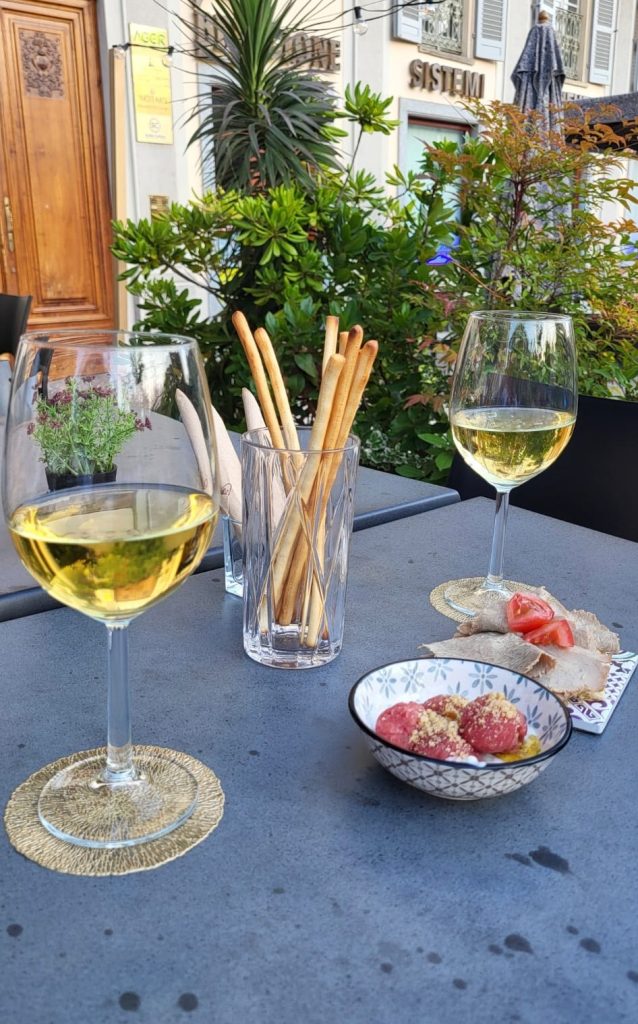
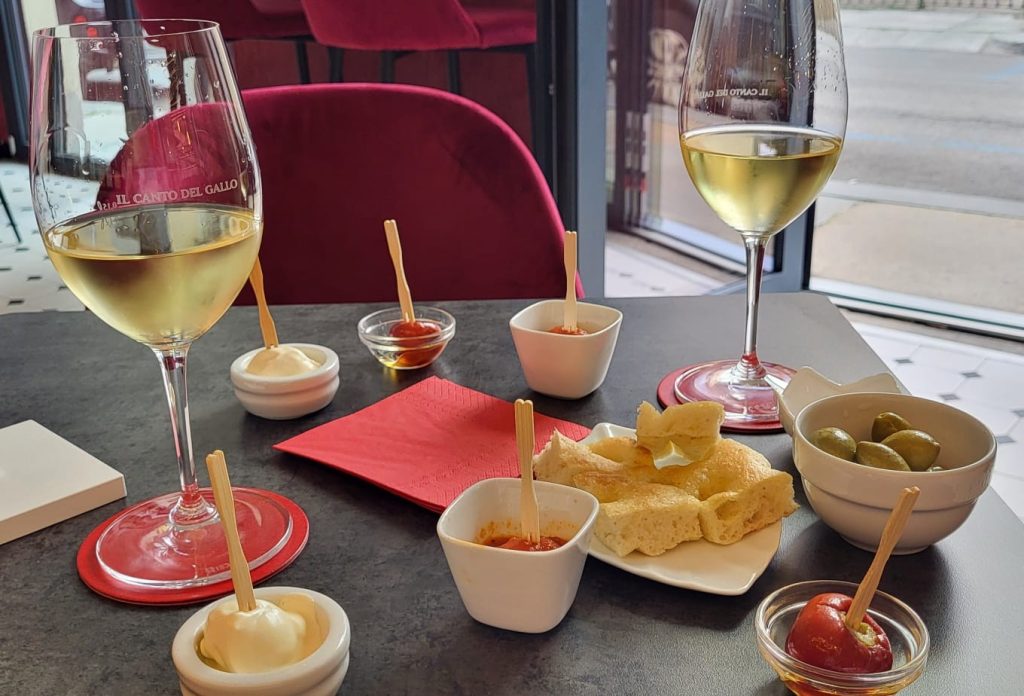
In Turin, the aperitivo can be an elegant, structured, and somewhat aristocratic affair, if you choose to sit inside historic caffè featuring dark wood, mirrors, and chandeliers. It can, however, be a very lively experience if you sit outside in the piazzas in those nieighbourhoods where crowds of students fill the streets. Would you like to know where’s the best aperitivo in town? Take a look at my dedicated article here.
What to Drink
Skip the basic Spritz here and order like a local. Ask for a Vermut with ice and a slice of orange, and if you fancy a wine, you are in the right place: Piedmont is a region with a long tradition of high-quality wines, so it’s quite common to have a glass of white wine for aperitivo. What to order? Forget Pinot Grigio or Prosecco (that are from another region) and try Erbaluce di Caluso, Roero Arneis and Gavi (I really mean it: try them all. LOL!). These wines are all grown in the region and all have denomination of controlled and guaranteed origin. I promise after trying these wines, you will not order pinot grigio again!
The Food
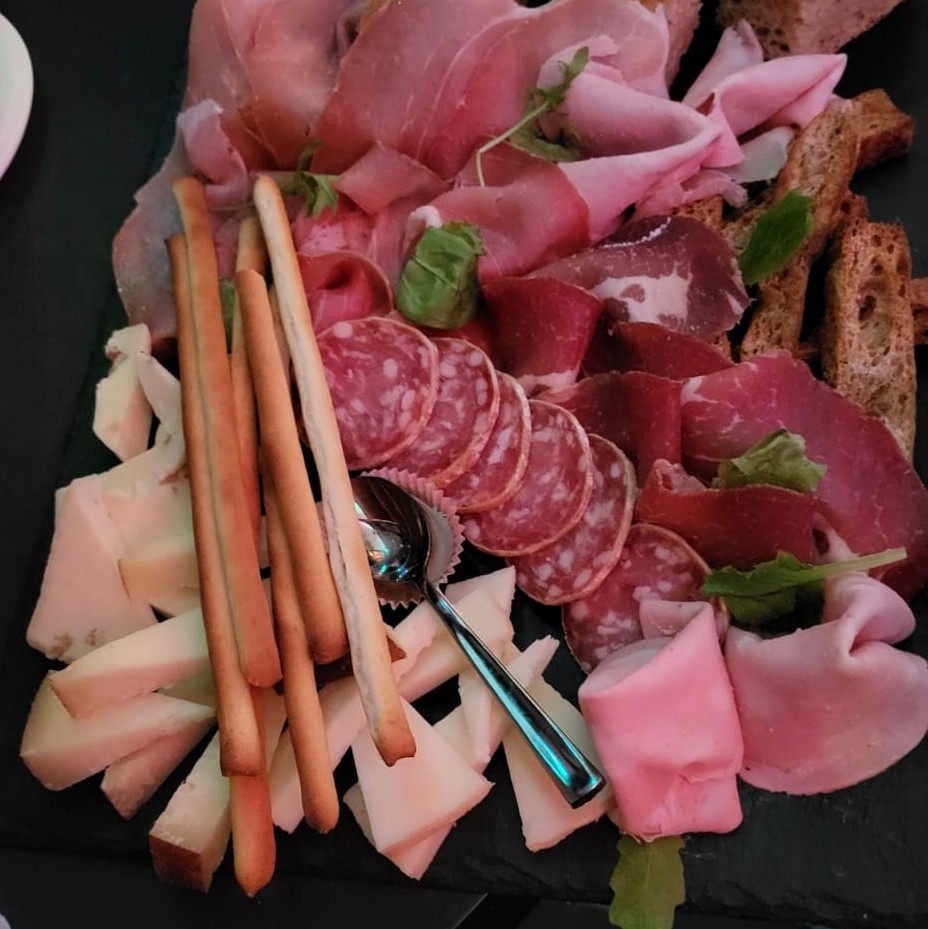
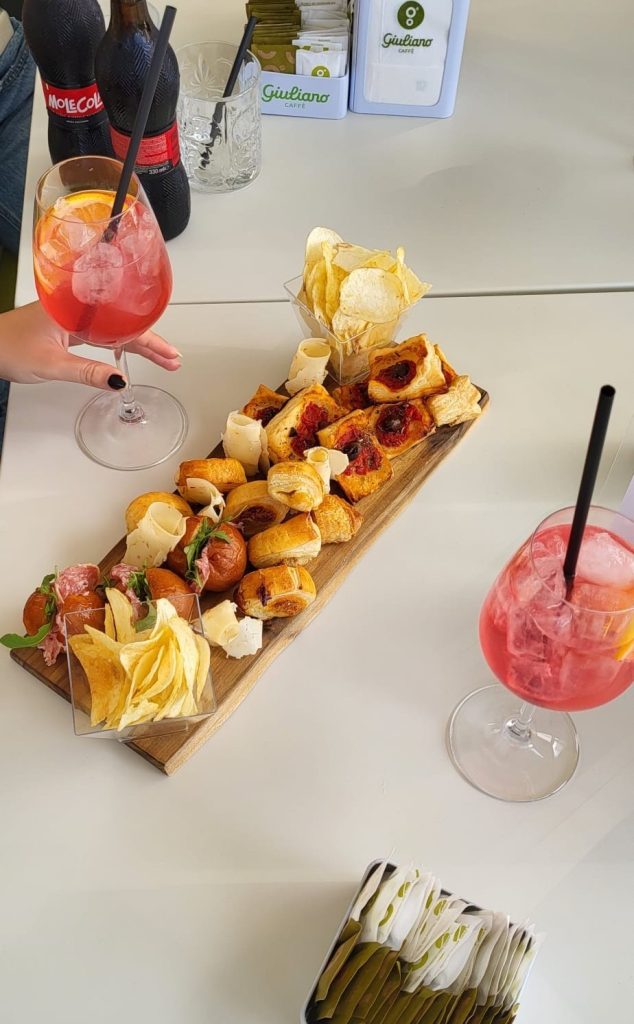
Turin focuses on high-quality, bite-sized Piedmontese specialties. Your drink will likely arrive with a curated platter featuring local delicacies: sophisticated little pastry shells filled with savory mousses, local Piedmontese cheeses, local cured meats and breadsticks (grissini), which were also invented here!
2. Florence: The Tuscan Renaissance of Wine and Negroni
Moving south into Tuscany, Florence trades the regal air of Turin for a scenic, relaxed, and art-filled atmosphere.
The Vibe
In Florence, the aperitivo is an outdoor experience in lively piazzas (like Piazza Santo Spirito or San Frediano). It feels young, artistic, and deeply connected to the local landscape. People gather to watch the sunset over the Arno River or the stone palazzos, holding a glass in hand. If you are looking for special locations for your aperitivo, I have listed 5 hidden gems for you in this article.
What to Drink
Florence is the home of the Negroni (invented at Caffè Casoni in 1919 when Count Camillo Negroni asked his bartender to stiffen his Americano cocktail by replacing the soda water with gin). Alternatively, if you prefer wine, order a glass of crisp Chianti Classico or a refreshing Vermentino white wine.
The Food
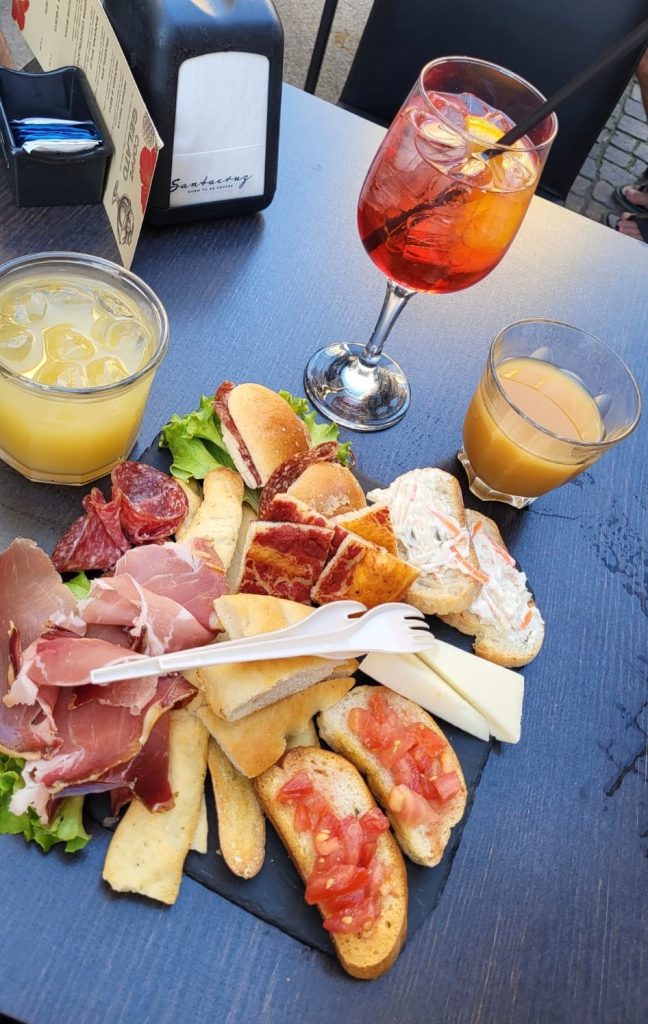
Forget the sophisticated pastries of Turin. Florence is all about Tuscan simplicity. You will be served rustic crostini topped with rich chicken liver pâté (fegatini), local finocchiona (salami cured with fennel seeds), and bowls of fresh lupini beans and local olives.
3. Naples: The High-Energy, Street-Food Feast
Cross the threshold into Southern Italy, and the rules of the aperitivo are completely rewritten. In Naples, the ritual leaves the quiet velvet booths and historic piazzas and spills directly into the roaring, vibrant streets.
The Vibe
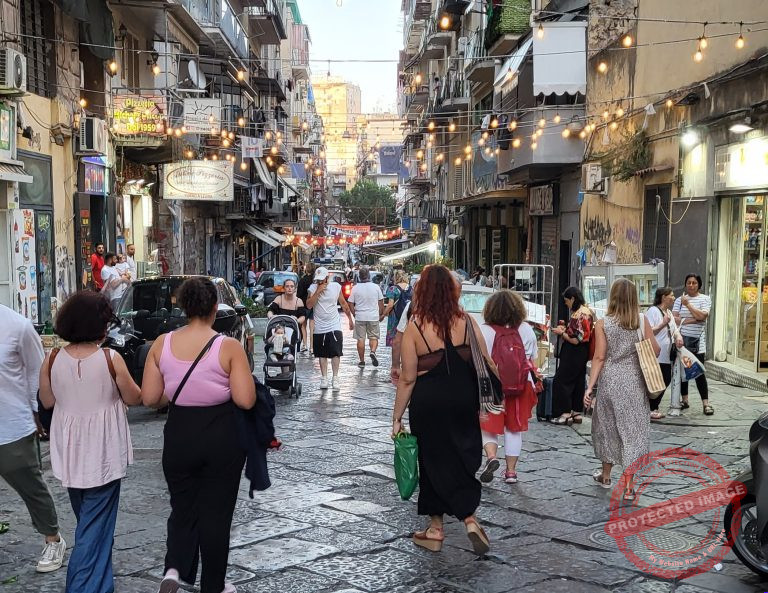
In neighborhoods like Chiaia or the Quartieri Spagnoli, the Neapolitan aperitivo is loud, chaotic, and incredibly joyful. Bars are often tiny holes-in-the-wall because everyone stands outside on the cobblestones, chatting, laughing, and dodging the occasional scooter. It feels less like a prelude to dinner and more like a block party. If you are not familiar with Naples’ neighbourhoods, you’ll find a specific guide to Naples’ neighbourhoods here.
What to Drink
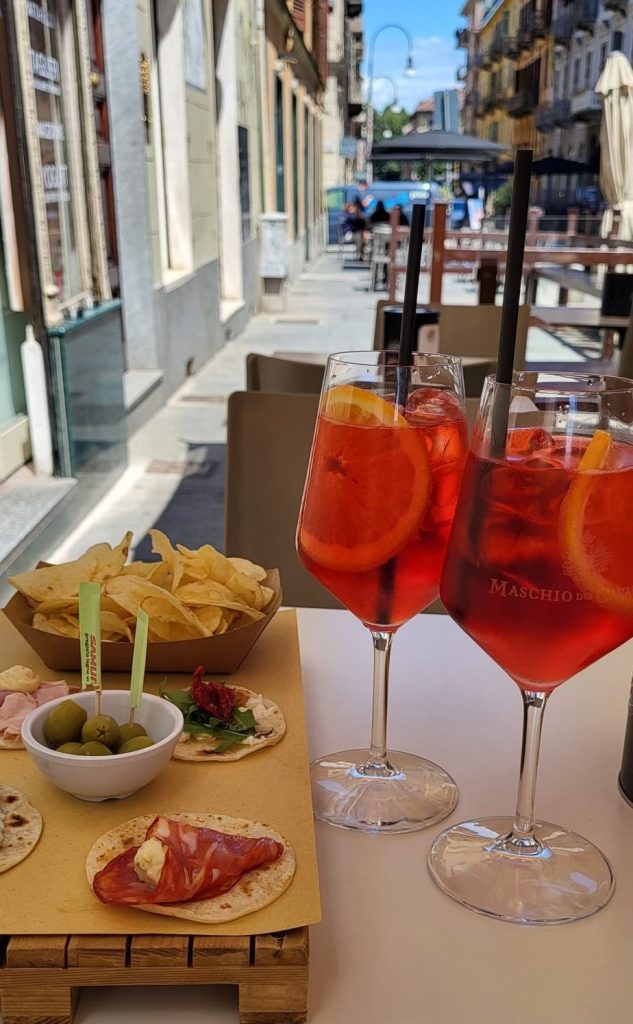
While the Aperol Spritz rules supreme here, you can choose to have it more “Neapolitan” ordering a Limoncello Spritz. Again, if you prefer a local Italian white wine order a Greco di Tufo (it’s a DOCG = denomination of controlled and guaranteed origin) or a Falanghina.
The Food
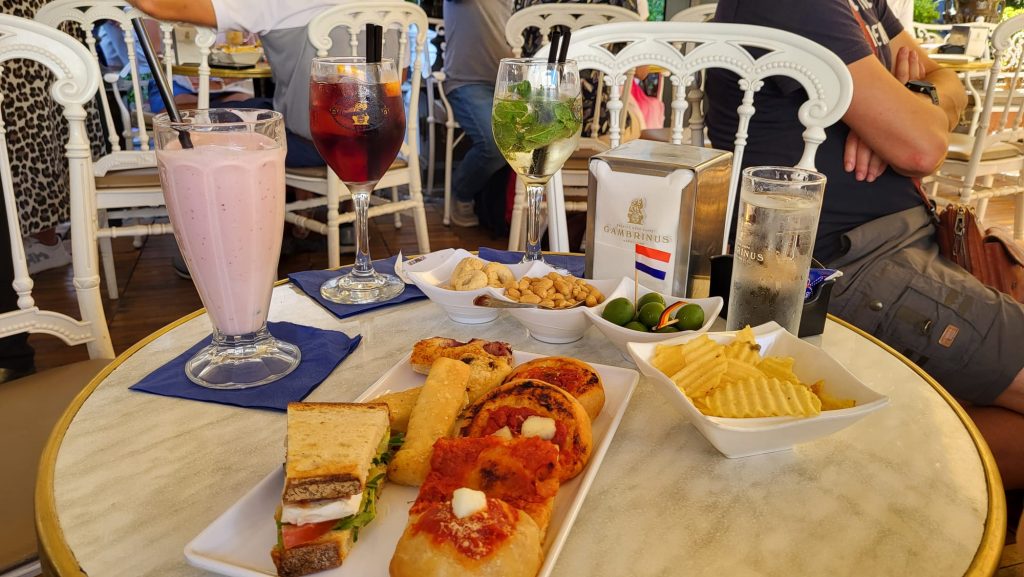
Southern hospitality dictates that you cannot drink without eating—a lot. Neapolitan bars do not skimp. Your drink will arrive with a cascade of incredible fried street food: pizzette (mini pizzas), taralli (savory, crunchy, little rings) arancini or crocchè (fried potato croquettes), and bowls of potato chips. It is fried, salty, delicious, and deeply satisfying.
Final Tip for the best italian aperitivo
To blend in like a local, remember that aperitivo is meant to be a slow wind-down. Don’t rush your drink, enjoy the complimentary snacks, and take in the local scenery.
It’s the ultimate expression of la dolce vita.